
Cabinet spraying sends a fine mist of finish into the air, and that mist lands on everything in the room unless it is physically blocked. Homeowners watching a kitchen get refinished often notice the outlets and switches right in the middle of the spray zone and wonder whether those get coated along with the doors and drawers. The short answer is no. Outlets, switches, and their cover plates are treated as protected surfaces, not painting surfaces. Below is what actually happens to the electrical hardware during a cabinet spray, why paint should never end up inside a socket, and how a careful prep job keeps the finish on the cabinets and off the wiring.
The Short Answer: Outlets Are Taped Off, Not Painted
Painting over electrical outlets and the covers is not considered safe. Paint that works its way inside the slots can lead to poor contact between the plug blades and the terminals, which raises the risk of arcing and overheating. In a worst case that means a fire hazard hidden behind a neat-looking wall plate.
That is why electrical hardware is masked rather than sprayed. Faceplates are removed before painting so the plate does not get coated along its edges, and the exposed receptacle or switch is covered with tape and paper so the finish cannot reach the openings. Once the cabinets are dry and reassembled, the plates go back on and the tape comes off. The visible result is clean cabinetry with original, unpainted outlets and switches sitting against it.
This is a small detail with an outsized effect. A painted outlet looks sloppy up close, but the bigger issue is mechanical. Paint buildup inside the contacts interferes with the connection that makes a plug work, and a switch that has been coated can become stiff or hard to operate.
Why Paint and Electrical Hardware Do Not Mix
Paint Inside the Slots
The problem is not the thin film on the outside of a cover plate. The problem is what happens when finish gets into the openings. Paint inside an outlet can reduce contact between the prongs of a plug and the metal terminals inside. Loose or contaminated contact creates resistance, resistance creates heat, and heat in a concealed wall box is exactly the condition nobody wants. Guidance on the subject consistently points to poor electrical contact as the reason to keep finish away from receptacles altogether.
Stuck Switches and a Messy Finish
Covered switches may seem harmless because the toggle still moves, but paint bridging the gap between the toggle and the plate can make the switch harder to use over time. The finish also cracks and peels at the edges as the switch is used, which leaves a chipped ring of paint around the hardware. Even setting safety aside, a painted plate rarely matches the crisp look of a properly sprayed cabinet door, because brush or spray finish over a plastic plate tends to show texture and build-up.
Moisture, Damp Rags, and Terminals
Paint is not the only thing that can reach a socket during a refinishing project. Water-based latex paint and moisture from damp cleaning rags can seep into socket terminals. Safety guidance on redecorating recommends turning off the breaker before working around outlets and removing faceplates before any painting starts, which removes both the electrical risk and the temptation to paint around the hardware freehand. Anyone who does choose to handle this step personally should confirm the correct procedure with a licensed electrician rather than guessing.

What Gets Taped Off During a Cabinet Spray
The masking list for a kitchen spray goes well beyond a few strips of tape on the outlets. The goal is to keep overspray off anything that should not carry a finish, and to keep the spray area free of dust, grease, and stray debris that could contaminate the new coat. The table below shows the usual treatment of the most visible items in the room.
| Item | Treatment | Reason |
|---|---|---|
| Receptacles and switch toggles | Taped and masked, never sprayed | Paint in the slots can cause poor contact, overheating, and arcing risk |
| Faceplates and cover plates | Removed before painting, reinstalled after | Prevents paint bridging the plate and the device, keeps the edges clean |
| Cords and heavy-duty cables | Kept clear, not painted over or hidden | Safety guidance warns against hiding heavy-duty cables under paint, rugs, or carpet |
| Surfaces next to the spray zone | Cleaned and masked before finish work | Grease, dirt, and soap residue prevent new paint from adhering properly |
What Does Get Covered
The doors, drawer fronts, and cabinet frames are the surfaces that receive the new finish. That is the whole point of the project, and a proper spray application reaches the recesses, edges, and profiles that a brush struggles to keep smooth. The prep around those surfaces is what makes the finish hold up: cabinets that are not cleaned, sanded, or primed before painting can end up with poor paint adhesion and an uneven finish, and any grease, dirt, or cleaning soap residue left on the boxes, walls, or countertops will stop the new paint from bonding.
A protective topcoat matters as much as the color coat. Cabinet spraying that skips a durable clear finish at the end tends to look and wear worse than a job that includes it, which is why the final coats deserve as much attention as the masking.
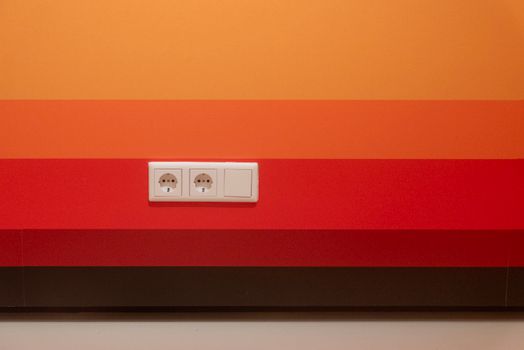
Faceplates Come Off Before the Spray Starts
Removing the faceplates is one of the simplest steps and one of the most frequently skipped. Guidance on painting and redecorating is direct about it: remove faceplates before painting. A plate left in place catches overspray on its face and along the seam, and once the plate is screwed back down, the paint film can chip or glue the plate to the wall.
Taking the plates off also gives the painter a clean edge to work to. Masking paper can be fitted over the exposed device and tucked behind the plate area, so the wall or backsplash around the box gets the coverage it needs without the electrical hardware collecting a coat. When the plate is reinstalled, the outline is sharp and the device underneath is untouched.
There is one more piece of hardware worth a mention. Many GFCI outlets ship with a small sticker noting that the GFCI is not grounded, and the sticker is meant to stay visible. If a device like that is present in the kitchen, check that the label survives the masking and clean-up so the information is not lost.

Why Prep Around Outlets Signals a Careful Job
The way a crew handles outlets tells you a lot about how they handle everything else. Masking devices properly takes time, and a crew that skips it is likely skipping other preparation steps too. Missing prep is one of the most common causes of a disappointing cabinet finish, whether that means inadequate cleaning, no sanding, no priming, or dust left in the air when the spray begins.
Homeowners in Parker, Highlands Ranch, Castle Rock, Castle Pines, and Roxborough who are planning a color change can ask a few direct questions before work begins. Will the faceplates be removed? How are the receptacles and switches masked? Is the power shut off at the breaker while anyone works near the outlets? Who removes the tape and reinstalls the plates at the end? Clear answers to those four questions remove most of the uncertainty about what will and will not be painted.
PaintingCabinet.com handles factory-finish cabinet painting and refinishing in these communities, with a dustless process, a five-day timeline, more than 1,000 kitchens completed, a three-year warranty, and over 50 years of experience in the area. Free estimates are available at 303-573-6666, and quote requests sent through the site form go to factoryfinishcabinet@gmail.com.
Frequently Asked Questions
Do painters tape over outlets or remove them?
The safer approach is to remove the faceplate and then tape over the exposed receptacle or switch so no finish reaches the openings. Taping over a plate that is still screwed to the wall leaves paint along the seam and does not protect the device itself. Removal plus proper masking gives a cleaner edge and keeps paint out of the slots.
Can cover plates be painted to match the cabinets?
Research on outlet safety advises against painting outlets and their covers, since paint can work into the openings and interfere with the connection. A coat on a plate can also crack around the screws and look uneven next to a sprayed cabinet door. If a different color is wanted, ask about swapping the plate instead of coating it.
Does paint on an outlet really create a safety problem?
Yes. Paint inside the slots can cause poor contact between the plug blades and the terminals, which increases the risk of arcing and overheating. Commentators on the subject describe painting outlets as running against the National Electrical Code, though anyone with a specific question about their own wiring should confirm the requirement with a licensed electrician or local code authority.
What should I do if paint got inside a socket?
Stop using that outlet and do not plug anything into it. Have a licensed electrician inspect the device and decide whether it can be cleaned or should be replaced. Trying to scrape or dissolve paint out of a live receptacle is not a do-it-yourself task, and the risk of damaged contacts is not worth the savings.
How do I get ready for cabinet spray day?
Clear the countertops and the area around the cabinets, and let the crew know about any outlets or switches that behave oddly. Confirm that the breaker will be shut off while work happens near the electrical hardware. The crew handles cleaning, masking, and plate removal, and the plates go back on after the finish has cured.