Oak grain shows through white paint because oak has open pores and tannins, and paint alone cannot fill them. Cheap latex jobs sit on the surface and telegraph every grain line, which collects dirt and looks worn fast. A true factory grain-fill process using filler, a shellac-style primer, and 2K poly topcoats is what makes oak look smooth and new. PaintingCabinet performs that exact process for homeowners in Parker, Highlands Ranch, Castle Rock, Castle Pines, and Roxborough.
Table of Contents
- Why do so many Parker and Castle Rock homes built between 1990 and 2008 have oak cabinets?
- Why does oak grain show through white paint even after several coats?
- What does a real factory grain-fill process look like for oak cabinets?
- How does PaintingCabinet make oak cabinets look factory smooth in Parker and Castle Rock?
- What does oak cabinet painting cost in the South Metro area in 2026?
- Which white and greige colors hide oak grain best?
- Does grain filling actually last, and can oak really feel smooth like new cabinets?
- Oak vs. maple vs. MDF — and factory grain fill vs. latex — how do they compare?
- Key Takeaways
- References
Why do so many Parker and Castle Rock homes built between 1990 and 2008 have oak cabinets?
Oak was the default builder-grade cabinet in South Metro subdivisions during that era because it was solid, durable, and inexpensive to install at scale. Walk through nearly any home in Parker, Castle Rock, or Founders Village from that period and you will see the same golden oak doors, drawer fronts, and face frames. The wood itself is structurally sound. The dated tone and open grain are the real problems.
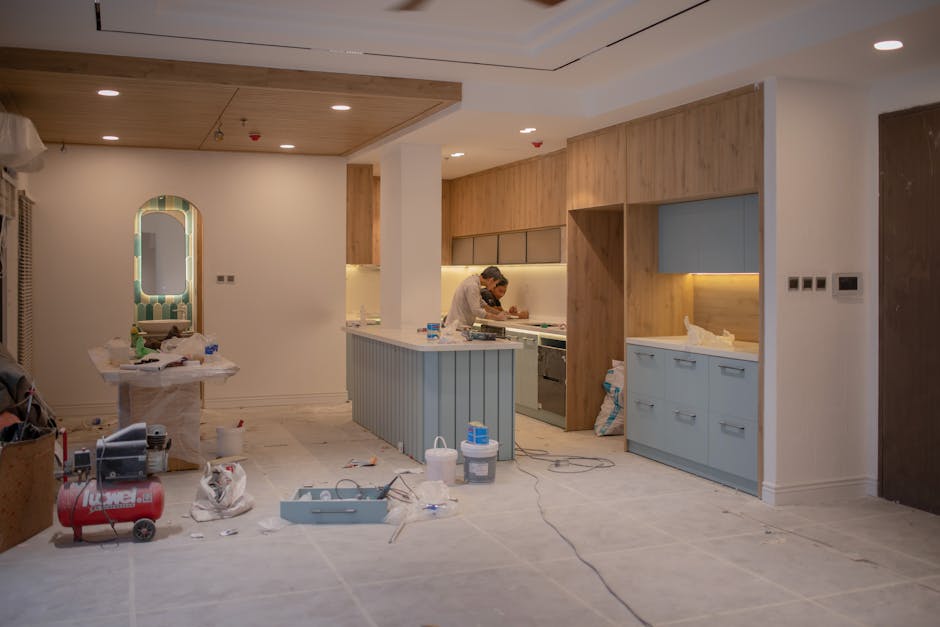
Homeowners in The Meadows and Pradera are updating rather than replacing because the cabinet boxes are still rock solid. The finish is what looks tired. Replacing solid oak boxes with new cabinetry often means paying $55,000 or more for a typical kitchen, while the existing frames could easily last another 20 years with the right refinish.
The core problem is that many painters spray latex white directly over oak without filling the grain first. According to Don't Paint Oak Cabinets Until You Watch This, oak grain can show through paint regardless of how many coats are applied. The paint simply sits on top of the pores instead of filling them, so the texture remains visible under the new color.
Why does oak grain show through white paint even after several coats?
Grain can show through paint regardless of how many coats are applied because paint sits on top of the pores instead of filling them. According to Don't Paint Oak Cabinets Until You Watch This, the open pore structure of oak creates tiny valleys that latex paint cannot bridge. Each additional coat just follows the same texture.
Oak is a ring-porous hardwood, which means it has large open pores that run through the grain lines. When white paint goes over those pores, the paint shrinks as it dries and settles into the texture. Homeowners in Highlands Ranch and Castle Pines see this as a rippled, lined surface that looks nothing like a factory cabinet finish.
Tannin bleed is a second issue. Oak contains natural tannins that can migrate through water-based paints and create yellow or pink stains under white finishes. A shellac-style primer is required to block those tannins before the topcoats go on.
The telegraphing effect is what makes white paint so unforgiving on oak. White reflects light and casts shadows inside every grain line, making the texture more obvious than it was on the original golden stain. Dirt and cooking grease also settle into those grooves, so the cabinets look grimy even after cleaning. More coats of the same paint will not fix the problem because filling is a separate prep step, not a paint step.
What does a real factory grain-fill process look like for oak cabinets?
A real factory grain-fill process starts with degreasing every door and face frame to remove cooking oils and hand oils. The wood is then sanded to 150 grit to open the surface. Grain filler is spread against the grain first to push it into the pores, then cleaned up with the grain to remove excess. According to Don't Paint Oak Cabinets Until You Watch This, a second coat of filler goes on after about one hour, and that second coat cures overnight before sanding.
White grain filler works well when doors are being painted white because the white color blends into the finish. A water-based, low-VOC filler dries fast and keeps odors down in an occupied home, which matters when a family in Castle Pines or Highlands Ranch is living through the project.
After the filler cures, the wood is sanded to 220 grit with the goal of leaving filler in the grain rather than sanding it all away. The pro detail that many DIYers miss is skipping tack cloths, because tack cloths leave oily residue that can interfere with paint adhesion. The filler instructions also say to paint soon after final sanding, so the surface stays clean and ready.
The next step is a bonding primer that blocks tannin bleed. Then two coats of 2K polyurethane go on as the topcoat. That combination of filled pores, blocked tannins, and catalyzed poly is what produces a true factory finish on oak.
How does PaintingCabinet make oak cabinets look factory smooth in Parker and Castle Rock?
Kitchen Cabinet Painting from PaintingCabinet is a dustless 5-day process with no demolition and a 3-year warranty, backed by over 50 years of trust and experience and more than 1000 kitchens completed. The process is built around a 2K poly grain-fill system, not latex paint. Latex highlights grain; 2K poly over filled pores creates a smooth, hard surface that resists moisture and cleaning chemicals.
Doors and drawer fronts are sprayed off-site in a controlled environment, which is what gives the finish its factory look. Face frames and boxes are sprayed on-site using the same dustless preparation system. The crew is made up of W-2 employees, not subcontractors, so the same trained hands handle every step from prep to final coat.
PaintingCabinet serves Parker, Highlands Ranch, Castle Rock, Castle Pines, and Roxborough only. The focus stays on South Metro homes where 1990s and 2000s oak is everywhere. Call 303-573-6666 for a free estimate.
What does oak cabinet painting cost in the South Metro area in 2026?
Oak cabinet painting in the South Metro area runs about $5,500 to $12,000 on average in 2026, with per-door pricing between $110 and $175. Islands typically add $700 to $1,400 depending on size and detail. The reason oak costs more than smooth-face doors is the handwork: grain filler must be spread, cured, and sanded on every surface before primer and topcoats go on.
That labor is the difference between a smooth factory finish and a cheap latex job that shows grain. Painting over oak without filling is faster and cheaper, but the result looks textured and collects dirt. Homeowners in Parker and Castle Rock who want the smooth look should expect to pay for the fill step.
The comparison that matters is replacement. A typical Parker kitchen costs roughly $10,000 to paint with a full grain-fill process, versus about $55,000 to replace the cabinets entirely. PaintingCabinet offers free estimates and color consultations, so homeowners can see the exact number before committing.
Which white and greige colors hide oak grain best?
Accessible Beige, Agreeable Gray, and Pure White in a satin sheen are the safest color choices for oak cabinets. Satin hides minor texture better than flat or high-gloss because it reflects light softly without emphasizing every surface variation. Flat paint shows scuffs and is harder to clean, while high-gloss magnifies any remaining texture.
Color choice helps, but filler is what truly solves grain. A dark color on unfilled oak will still show texture, just with less contrast than white. A properly filled door in Pure White looks smooth because the surface is smooth, not because the paint color is doing the work.
Homeowners in Highlands Ranch and Castle Pines choosing a palette should start with the fill decision, then pick a color. The fill determines whether the finish looks factory or textured. The color determines the mood of the kitchen.
Does grain filling actually last, and can oak really feel smooth like new cabinets?
Yes, grain filling can make oak feel smooth like new cabinets. According to Don't Paint Oak Cabinets Until You Watch This, the door felt smoother than original oak even after just the first filler coat. After the second coat, sanding, primer, and 2K poly topcoats, the surface feels like a factory-painted door.
A properly filled and 2K-coated finish holds up to kitchen cleaning and moisture far better than latex. The catalyzed poly creates a hard shell that resists water, grease, and daily wear. Latex over unfilled oak is soft and textured, which makes it harder to clean and more likely to chip.
Long-term durability data on grain-filled oak is limited, which is why a warranty matters. PaintingCabinet backs its oak refinishing with a 3-year warranty, so homeowners in Parker and Castle Rock have a written guarantee on the work.
Oak vs. maple vs. MDF — and factory grain fill vs. latex — how do they compare?
| Material | Cost to Paint in South Metro | Why |
|---|---|---|
| Oak | $110–$175 per door | Grain fill and sanding add handwork |
| Maple | $90–$140 per door | Smooth face, less prep |
| MDF | $80–$120 per door | Smooth and stable, fastest prep |
| Method | Grain Show | Durability | Warranty |
|---|---|---|---|
| Factory grain fill + 2K poly | None visible | High, resists moisture and cleaning | 3 years from PaintingCabinet |
| Latex over raw oak | Visible grain lines | Low, soft and textured | Typically 1 year or none |
On oak, the prep system decides the result, not the paint brand. Maple and MDF are easier to paint because they lack open pores, but oak can match that smoothness when the fill step is done correctly.
Key Takeaways
- Oak grain shows through paint no matter how many coats you apply, because paint does not fill open pores.
- Grain filler is spread against the grain first, then cleaned with the grain to remove excess.
- A second filler coat goes on after about an hour and cures overnight before sanding.
- Sand to leave filler in the grain rather than sanding it all away, and skip tack cloths because they leave oily residue.
- PaintingCabinet's factory grain-fill process uses 2K poly, a dustless 5-day timeline, and a 3-year warranty for South Metro homeowners.
- Oak cabinet painting in the South Metro runs about $5,500–$12,000 in 2026, or $110–$175 per door, versus roughly $55,000 to replace.
- Accessible Beige, Agreeable Gray, and Pure White in satin are the safest colors for oak, but filler, not color, is what kills the grain.
References
- Don't Paint Oak Cabinets Until You Watch This — 2026-04-25