Oak cabinets painted without any grain filling still look like oak. The color changes, the orange tone goes away, and the kitchen reads as new at a glance. Up close, though, the open pores of the wood stay visible under the paint, and that texture is often the thing homeowners notice first when they open a drawer or stand at the sink. Grain filling changes that outcome. It is the step that separates a painted oak cabinet from one that looks like it came out of a factory with a flat, glass-smooth face.
Here is what each path actually delivers, what goes into the work, and where the realistic expectations sit.
Why Oak Grain Still Shows Through Paint
Oak is an open-pored wood. The grain runs in visible lines and small depressions across the surface of doors, drawer fronts, and face frames, and paint does not level those depressions out. A single coat of primer followed by two coats of finish paint is a normal, well-executed paint job, and that sequence will still leave the graining of oak visible on cabinet doors. The coating follows the shape of the wood rather than flattening it.
That is not a defect in the paint or the applicator. It is simply how a film-forming coating behaves over an open-pored surface. Painters describe the result as telegraphing: the texture of the substrate transmitting straight through the finish. If the goal is a finish that looks manufactured rather than refinished, the pores have to be physically occupied before the topcoats go on.
What Grain Filling Actually Does
Grain filling is the process of working a paste or slurry into the open pores of the oak, then removing the excess from the surrounding surface so only the pores stay packed. Once that material cures and is sanded level, the face of the door is closer to a flat plane than a grooved one. Primer and paint then sit on a smoother surface, and the finished cabinet reads as solid and uniform instead of textured.
The basic idea behind any grain filler
Every method uses the same logic: push material into the grain, squeegee or scrape off the top, let it dry, sand back to level, and repeat on areas that did not fill completely. The variables are the material itself, how thick it is mixed, and how many passes the grain needs before it stops telegraphing through the finish. Deep or wide oak grain usually takes more than one pass, and it is common to find a few spots that need a second application after the first sanding.
A common DIY drywall compound mix
One widely shared approach uses three parts drywall compound to one part water, mixed until it reaches roughly the consistency of paint. That thin slurry gets spread over the wood and worked into the pores. It is inexpensive and easy to sand, which is why it circulates so heavily in DIY tutorials. It also demands discipline with the mixing ratio and the sanding stage, because a mix that is too thick leaves ridges on the surface and a mix that is too thin does not pack the grain.
What a Smooth Factory Finish Really Involves
A smooth factory-style finish on oak is not a paint problem, it is a preparation problem. The visible difference between a refinished oak cabinet with texture and one with a flat face comes almost entirely from what happened before the first coat of primer. Grain filling, sanding, and inspection take more hours than the spraying does. When that sequence is skipped or rushed, the paint job can be perfectly even in color and still show every pore.
The target is a surface that feels flat when you run a hand across it in raking light. That check, done before primer, is the single best predictor of how the finished cabinet will look.
Comparing the Options on Oak Cabinets
| Approach | What happens to the grain | What you should expect |
|---|---|---|
| Paint only, no filler | Primer and two finish coats follow the pores | Graining remains visible on doors and frames |
| Commercial grain filler | Paste is packed into pores, scraped, dried and sanded level | A flatter face, with quality depending on passes and sanding |
| Drywall compound slurry | Thinned compound is worked into the grain and sanded back | Smooth result possible, sensitive to mixing and sanding |
| Shellac or extra clear coats | Builds film over the wood instead of inside the pores | Possible on oak, but requires a lot of coats |
Filler Choice: Cabinet Mud, Bondo, Aqua Coat and Others
Product selection matters less than matching the product to the size of the job. Bondo is a spot-repair product, which makes it a poor fit for filling oak grain across an entire cabinet project. Cabinet Mud is positioned as the better match for grain filling on a full set of cabinet doors and frames. Aqua Coat and similar water-based grain fillers apply with a scrape-on technique, which some DIYers find easier to control on vertical surfaces like face frames.
You can use any commercial grain filler on oak. The practical question is whether you can apply it consistently across every door face, edge, and stile without leaving ridges, and whether you are willing to sand it back level. A filler that fights you on one door will fight you on thirty.
The Prep Work That Decides the Result
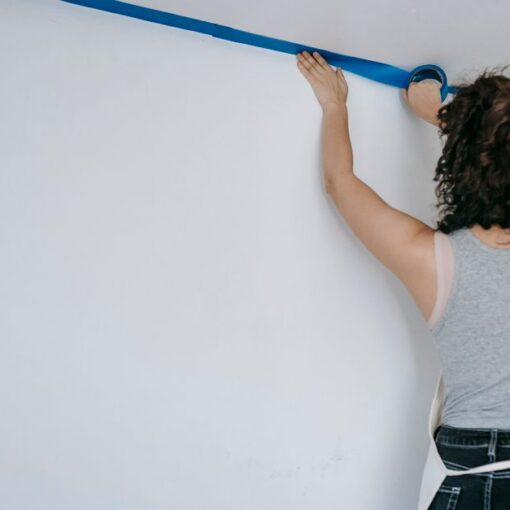
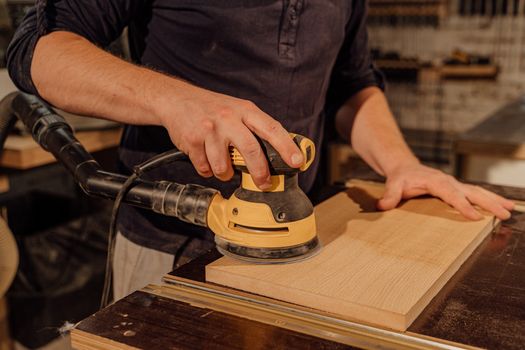
Before any filler touches the wood, the hardware and doors come off and anything you do not want cut in gets taped off. The wood finish is then roughened with 80 grit sandpaper or a sanding block. That step gives the filler and the primer something to grip and knocks down the existing sheen. Skipping the scuff is one of the fastest ways to end up with a finish that peels or a filler that does not bond.
Face frames and cabinet boxes get the same treatment as doors, with more care around corners and edges. If you are working around installed cabinets, protecting the interior, the countertops, and the surrounding walls before the first pass of filler saves a great deal of cleanup later.
Primer, Paint, and the Coats Question
Once the grain is filled and sanded level, the painting sequence is straightforward. One coat of primer and two coats of finish is the standard build, and on a properly filled surface that build produces a smooth result. On an unfilled surface, the same build produces visible graining.
Extra paint is not a substitute for filling. Adding coats over open pores builds film thickness without closing the depressions, and shellac or clear build coats on oak can eventually cover the grain but generally take a lot of coats to get there.
Realistic Expectations for a Refinish Timeline
Grain filling adds time to a cabinet project because each stage has to dry before the next one starts. At PaintingCabinet.com, cabinet refinishing in Highlands Ranch, Castle Rock, Parker, Castle Pines, and Roxborough is handled as a factory-finish painting process with a dustless approach, completed in five days, without replacing doors or tearing out cabinetry. The company has finished over 1,000 kitchens in these areas and backs the work with a three-year warranty, drawing on more than 50 years of experience in the region. Free estimates are available at 303-573-6666, and quote requests can be submitted through the site form.
The takeaway for planning purposes is simple: if a smooth, uniform face matters to you, budget for the filling stage as real work rather than a footnote. If you like the look of visible oak texture under paint, skipping the filler is a legitimate choice that some homeowners genuinely prefer.

Mistakes That Undo a Good Grain Fill
- Not sanding back after the filler dries, which leaves ridges that show through the topcoats.
- Mixing drywall compound too thick or too thin instead of working to a paint-like consistency.
- Applying only one pass across heavy grain and assuming the primer will hide the rest.
- Skipping the 80 grit scuff before filling and priming.
- Leaving hardware, doors, or adjacent surfaces unprotected during sanding and filling.
- Judging the surface under normal light instead of raking light, where telegraphing is obvious.
Frequently Asked Questions
Does painting oak cabinets without filling the grain look bad?
Not bad, just textured. The color and sheen will look fresh and modern, but the open pores of the oak stay visible under the paint. One coat of primer and two coats of finish will still show graining on doors and frames. Some homeowners like that character and keep it deliberately. Others want a flat face and need grain filling to get there.
Can I use drywall compound to fill oak grain?
A common mix is three parts drywall compound to one part water, stirred until it reaches about the consistency of paint. It is inexpensive and sands easily, which is why it appears in so many tutorials. The catch is control. Mix it too thick and you get ridges, too thin and it will not pack the pores properly.
Will one pass of grain filler stop the grain from showing?
Usually not on oak with pronounced grain. Most cabinet projects need a second application in spots after the first sanding, especially on wide pore patterns or door faces with heavy cathedral grain. Check the surface in raking light after sanding. If you can still see or feel open pores, another pass is cheaper than repainting later.
Is Bondo a good grain filler for cabinets?
Bondo is a spot-repair product, so it is a poor match for covering grain across an entire set of doors and frames. Cabinet Mud is a better fit for full cabinet projects, and commercial grain fillers in general work on oak as long as you can apply them consistently and sand them level.
How long does grain filling add to a cabinet refinish?
The filling stage adds steps that each need drying time before sanding and priming, so it extends the schedule compared with a straight paint job. A factory-finish cabinet painting process is typically completed in five days, which includes the preparation and filling work rather than treating it as an extra phase added afterward.